
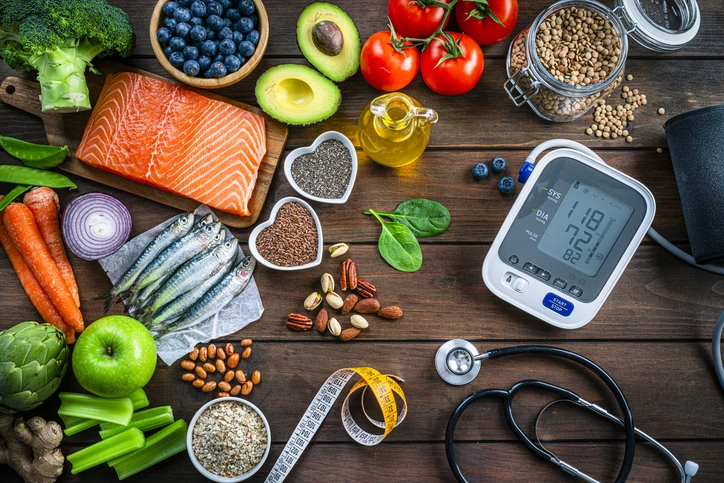
Maintaining healthy eating habits is one of the most important ways families can improve their overall well-being. Good nutrition provides the energy needed for daily activities, supports growth and development in children, strengthens the immune system, and reduces the risk of chronic diseases. In today’s fast-paced world, however, many families struggle to maintain a balanced diet due to busy schedules, convenience foods, and unhealthy eating patterns. Fortunately, small and consistent changes can help families develop lifelong healthy eating habits.

Why Healthy Eating Matters
A healthy diet provides essential nutrients such as vitamins, minerals, protein, healthy fats, and carbohydrates that the body needs to function properly. For children, proper nutrition supports physical growth, brain development, and academic performance. For adults, healthy eating helps maintain a healthy weight, improves energy levels, and lowers the risk of conditions such as heart disease, diabetes, and obesity.
When the entire family adopts healthy eating habits together, it becomes easier to stay motivated and make better food choices.
Start with a Balanced Diet
A balanced diet includes a variety of foods from all major food groups. Families should aim to include:
- Fruits and vegetables
- Whole grains
- Lean proteins
- Healthy fats
- Low-fat dairy products or dairy alternatives
Each meal should contain a mix of these nutrients to ensure everyone receives the nourishment they need. Colorful fruits and vegetables are especially important because they provide antioxidants and essential vitamins.
Make Breakfast a Priority
Breakfast is often called the most important meal of the day, and for good reason. A nutritious breakfast helps kick-start metabolism, improves concentration, and provides energy for school and work.
Healthy breakfast ideas include:
- Oatmeal topped with fresh fruit
- Whole-grain toast with peanut butter
- Yogurt with berries and granola
- Vegetable omelets
- Smoothies made with fruits and milk
Avoid sugary cereals and pastries that can cause energy crashes later in the day.
Plan Meals Ahead
Meal planning is one of the easiest ways to encourage healthy eating. By planning meals for the week, families can reduce the temptation to order fast food or rely on processed meals.
Benefits of meal planning include:
- Saving money
- Reducing food waste
- Ensuring balanced nutrition
- Minimizing stress during busy weekdays
Creating a grocery list before shopping can also help families stick to healthier food choices.
Eat More Fruits and Vegetables
Experts recommend filling half of every plate with fruits and vegetables. These foods are rich in fiber, vitamins, and minerals while being naturally low in calories.
Ways to increase fruit and vegetable intake include:
- Adding vegetables to soups and pasta dishes
- Packing fruit as snacks
- Serving salads with meals
- Blending vegetables into smoothies
- Keeping cut vegetables readily available in the refrigerator
Children are more likely to eat fruits and vegetables when they are presented in fun and appealing ways.
Limit Processed Foods
Processed foods often contain high levels of sugar, sodium, unhealthy fats, and artificial additives. While convenience foods may save time, excessive consumption can negatively impact health.
Common processed foods to limit include:
- Chips
- Sugary drinks
- Candy
- Fast food
- Frozen meals with high sodium content
Instead, choose whole foods whenever possible, such as fresh fruits, vegetables, nuts, seeds, and homemade meals.
Practice Portion Control
Eating healthy foods is important, but portion sizes also matter. Oversized portions can lead to excessive calorie intake and weight gain.
Simple portion control tips include:
- Using smaller plates
- Serving appropriate portions
- Avoiding second helpings unless truly hungry
- Eating slowly and mindfully
- Listening to hunger and fullness cues
Teaching children portion awareness early can help them develop healthy eating habits for life.
Encourage Healthy Snacking
Snacks can provide valuable nutrients when chosen wisely. Instead of sugary treats, families should keep nutritious snack options readily available.
Healthy snack ideas include:
- Apple slices with peanut butter
- Greek yogurt
- Mixed nuts
- Carrot sticks and hummus
- Whole-grain crackers
- Cheese and fruit
Healthy snacks help maintain energy levels between meals and prevent overeating during mealtime.
Eat Together as a Family
Family meals offer more than just nutrition. They create opportunities for bonding, communication, and teaching healthy eating behaviors.
Research has shown that children who regularly eat meals with their families tend to consume more nutritious foods and develop healthier eating patterns.
To make family meals more enjoyable:
- Turn off televisions and electronic devices
- Encourage conversation
- Involve children in meal preparation
- Create a positive dining environment
Even a few shared meals each week can have lasting benefits.
Stay Hydrated
Water is essential for overall health and should be the primary beverage for both adults and children. Many people consume excess calories through sugary drinks such as soda, sports drinks, and sweetened juices.
Tips for staying hydrated include:
- Carrying reusable water bottles
- Serving water with meals
- Adding fruit slices for flavor
- Limiting sugary beverages
Proper hydration supports digestion, energy levels, and overall bodily functions.
Be a Positive Role Model
Children often imitate the behaviors of their parents and caregivers. When adults make healthy food choices, children are more likely to do the same.
Parents can model healthy eating by:
- Eating fruits and vegetables regularly
- Trying new healthy foods
- Avoiding negative comments about food
- Demonstrating balanced eating habits
Consistency is key to helping children develop a positive relationship with food.
Conclusion
Healthy eating habits for families do not require drastic changes or strict diets. Small, sustainable adjustments such as eating more fruits and vegetables, planning meals, limiting processed foods, and enjoying meals together can significantly improve overall health. By making nutrition a family priority, parents can set the foundation for lifelong healthy habits that benefit every family member. Healthy eating is not just about food—it is an investment in a happier, healthier future.