When most people imagine a shed, they think of a small outdoor structure used for storage—often filled with old tools, unused furniture, gardening supplies, or forgotten household items. In most cases, sheds are not designed for comfort, warmth, or long-term use. They are typically cold in winter, hot in summer, poorly insulated, and lacking basic amenities.
However, in some situations, spaces that are never intended for living can be reimagined in practical and meaningful ways. This is the story of an elderly woman who, facing limited housing options during a difficult period, made the unusual decision to turn an old, unused shed into a modest living space.
Rather than seeing the structure as unsuitable, she approached it as an opportunity to create something functional with what she had available.

Starting With Extremely Limited Conditions
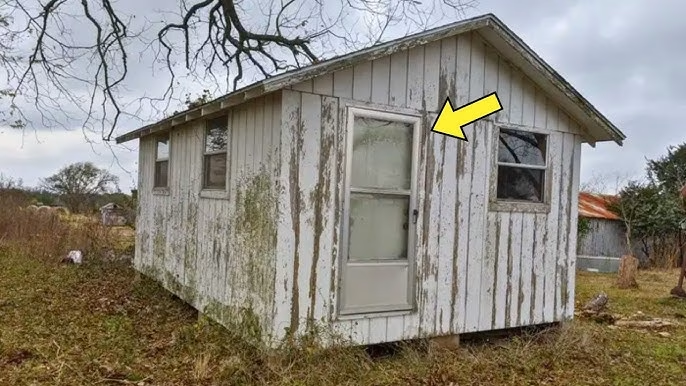
At the beginning, the shed was in a basic and neglected condition. It had not been maintained for residential use and showed signs of wear over time. The wooden structure was simple and uninsulated, allowing cold air and moisture to enter easily. The floor was rough and uneven, and there were no interior design elements to make the space feel comfortable or welcoming.
Lighting was minimal, natural ventilation was inconsistent, and the overall environment felt more like a storage space than a place to live. There were no kitchen facilities, no proper seating arrangements, and no provisions for daily living needs.
Despite these challenges, the woman did not attempt to transform everything at once. Instead, she focused on gradual, manageable improvements based on necessity rather than appearance.
Taking the First Steps Toward Livability
Her first priority was to make the shed physically usable as a shelter. She began by removing any leftover clutter and cleaning the entire interior thoroughly. This alone helped make the space feel more open and less neglected.
Next, she addressed the issue of insulation. Since sheds are often exposed to outdoor temperatures, she worked on reducing drafts and improving thermal comfort as much as possible. Even simple insulating materials made a noticeable difference in keeping the interior more stable in temperature.
The flooring was another important concern. The rough wooden base was uncomfortable and impractical for daily life, so she introduced basic flooring solutions to create a more even and stable surface.
After addressing these structural basics, she slowly brought in essential furniture—simple items that allowed her to sit, rest, and organize her belongings. These changes did not make the shed luxurious, but they made it functional.
Creating a Sense of Home
Once the basic structure was improved, attention shifted toward making the space feel less temporary and more like a home.
Small interior adjustments played an important role in this transformation. Curtains, simple storage solutions, and better arrangement of furniture helped organize the limited space more efficiently. Every item had to serve a purpose, as space was extremely limited.
Lighting improvements also made a significant difference. A combination of basic indoor lighting and better use of natural daylight helped reduce the dark, enclosed feeling the shed originally had.
Ventilation was another important factor. Small adjustments to windows and openings allowed for better airflow, making the space healthier and more comfortable for daily living.
Improving the Exterior Environment
The transformation was not limited to the inside of the shed. The exterior was also improved gradually to make the structure safer and more pleasant to approach.
A fresh coat of paint helped refresh the appearance of the shed and protect the wooden surface from weather damage. Simple decorative touches were added, not for luxury, but to create a sense of care and dignity around the space.
Outdoor lighting was installed along the pathway, improving safety during nighttime movement and making the area more accessible. Any damaged or outdated windows were repaired or replaced, allowing more natural light to enter the interior while improving insulation.
These exterior updates contributed not only to appearance but also to practicality and comfort.
A Fully Functional Small Living Space
Over time, what began as a neglected storage structure slowly evolved into a compact but functional living environment. Inside, the shed now includes a small seating area where she can rest and spend time during the day. A modest cooking setup allows for basic meal preparation, while improved storage solutions help keep the space organized and clutter-free.
Lighting and ventilation are significantly better than before, making daily life more manageable. Natural light entering through improved windows helps reduce the feeling of confinement, while airflow improvements make the environment healthier.
Although the space remains small and simple, it now serves its purpose effectively as a livable home.
Living With Simplicity and Purpose
This transformation highlights an important idea: comfortable living is not always defined by size, luxury, or modern architecture. In some cases, it is defined by adaptability, resourcefulness, and the ability to make meaningful use of what is already available.
Rather than focusing on ideal conditions, this story emphasizes practical problem-solving. Each improvement was made with intention and necessity, not excess. The result is a space that meets basic needs without unnecessary complexity.
It also reflects a broader reality for many people facing housing challenges, where creativity and gradual improvement can sometimes provide workable solutions when traditional options are limited.
Final Reflection
Turning a shed into a livable space is not a conventional or widely recommended housing approach. It comes with clear limitations and is often driven by necessity rather than choice. However, this example shows that with patience, effort, and consistent small improvements, even the most basic structure can be transformed into something functional.
It is a reminder that housing solutions are not always about building something new, but sometimes about rethinking what already exists.
For those interested in minimal living, alternative housing approaches, or practical budgeting, this story offers a realistic perspective on how far simple improvements can go when applied thoughtfully over time.